
Katsushika Hokusai
-

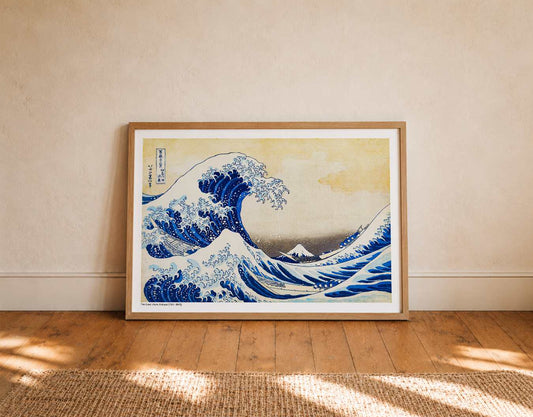
The Great Wave
From 7.95 €
The Great Wave
From 7.95 €
Regular price From 75 SEKRegular priceUnit price per -

Fuji from Gotenyama
From 7.95 €
Fuji from Gotenyama
From 7.95 €
Regular price From 75 SEKRegular priceUnit price per -

Poem by Ariwara no Narihira
From 7.95 €
Poem by Ariwara no Narihira
From 7.95 €
Regular price From 75 SEKRegular priceUnit price per -

Ghost of Kohada Koheiji
From 7.95 €
Ghost of Kohada Koheiji
From 7.95 €
Regular price From 75 SEKRegular priceUnit price per -

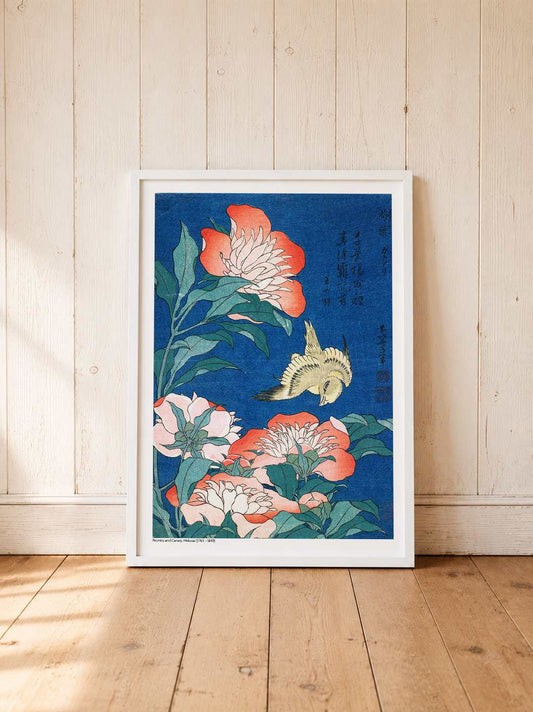
Peonies and Canary
From 7.95 €
Peonies and Canary
From 7.95 €
Regular price From 75 SEKRegular priceUnit price per -

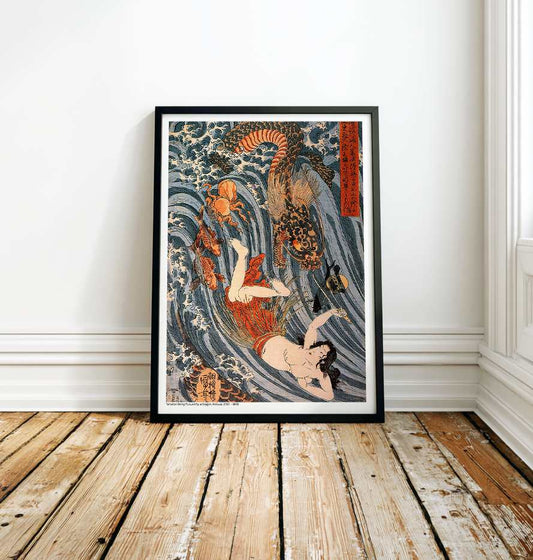
Tamatori being pursued by a dragon
From 7.95 €
Tamatori being pursued by a dragon
From 7.95 €
Regular price From 75 SEKRegular priceUnit price per -

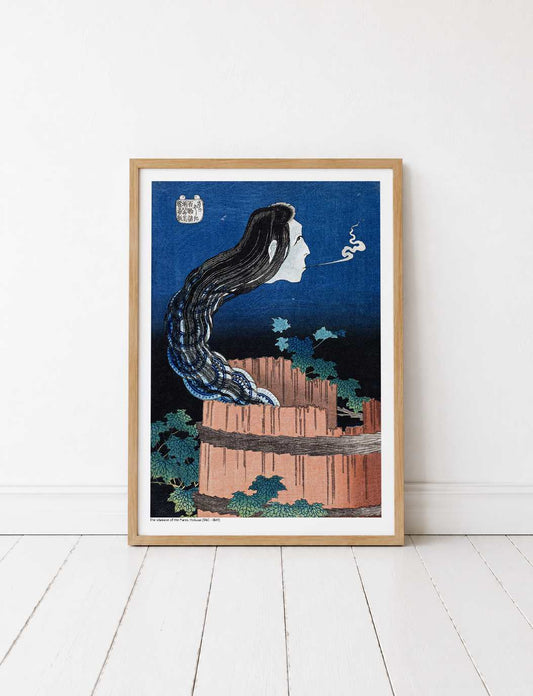
The Mansion of the Plates
From 7.95 €
The Mansion of the Plates
From 7.95 €
Regular price From 75 SEKRegular priceUnit price per -

The Ghost of Oiwa
From 7.95 €
The Ghost of Oiwa
From 7.95 €
Regular price From 75 SEKRegular priceUnit price per -

The Waterfall of Amida
From 7.95 €
The Waterfall of Amida
From 7.95 €
Regular price From 75 SEKRegular priceUnit price per -

Karyōbinga
From 7.95 €
Karyōbinga
From 7.95 €
Regular price From 75 SEKRegular priceUnit price per


