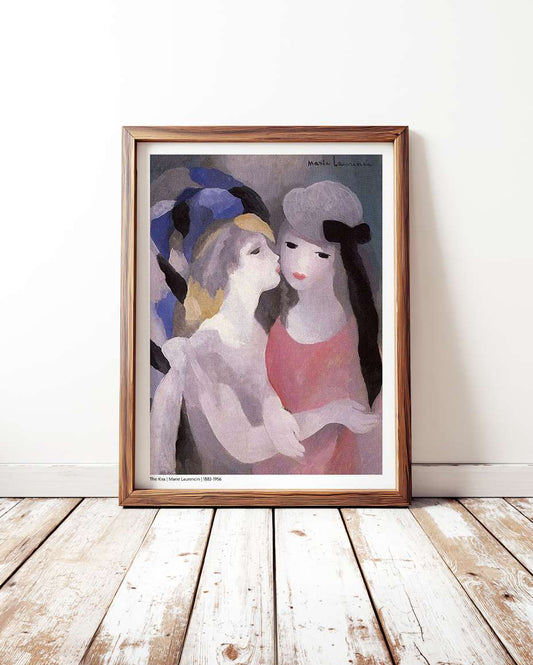
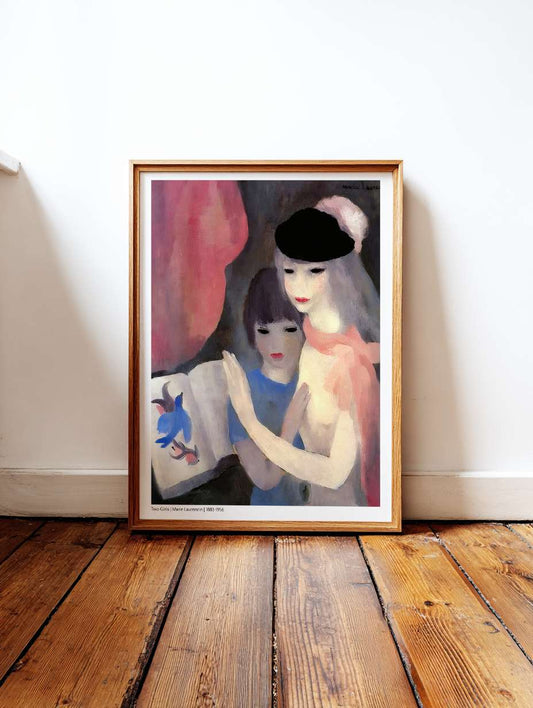
Marie Laurencin
-

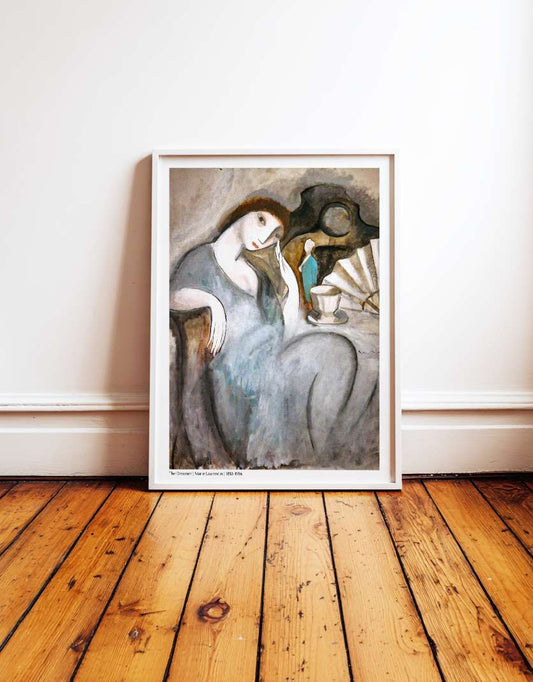
The Dreamer
From 7.95 €
The Dreamer
From 7.95 €
Regular price From 75 SEKRegular priceUnit price per -

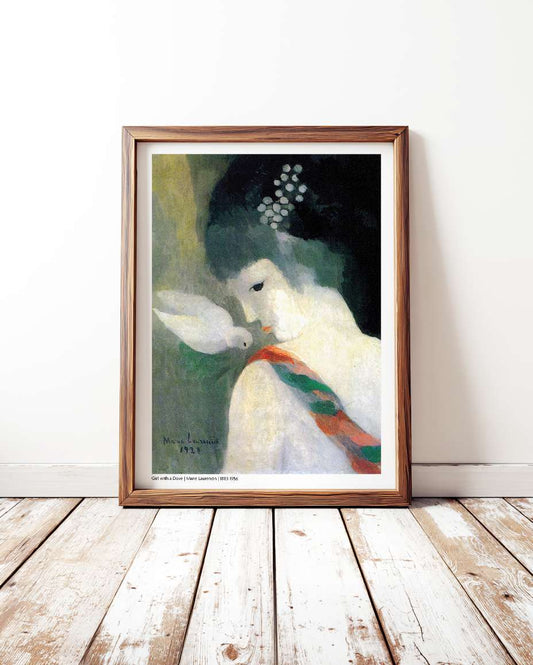
Girl with a Dove
From 7.95 €
Girl with a Dove
From 7.95 €
Regular price From 75 SEKRegular priceUnit price per -

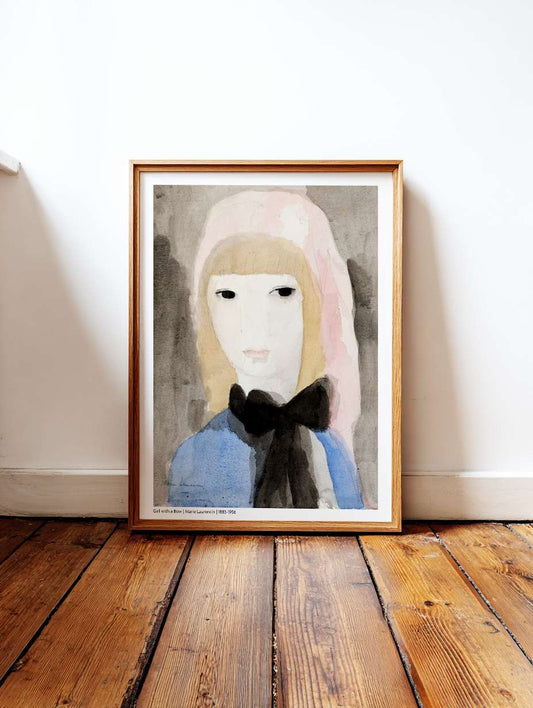
Girl with a Bow
From 7.95 €
Girl with a Bow
From 7.95 €
Regular price From 75 SEKRegular priceUnit price per -

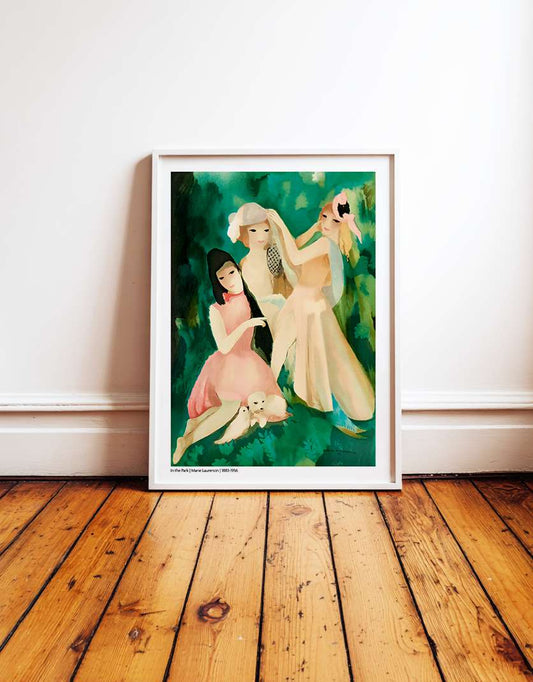
In the Park
From 7.95 €
In the Park
From 7.95 €
Regular price From 75 SEKRegular priceUnit price per -

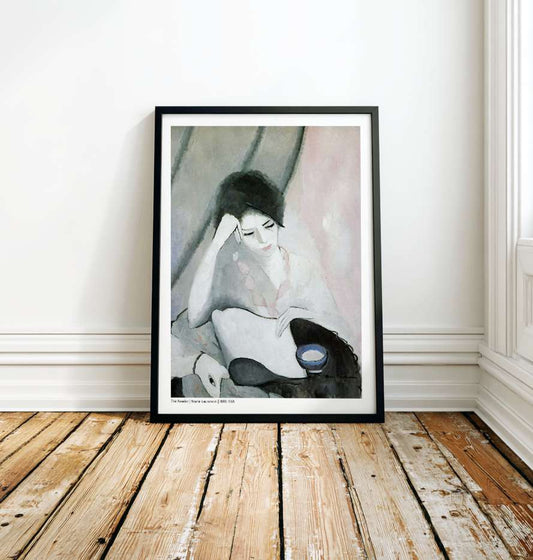
The Reader
From 7.95 €
The Reader
From 7.95 €
Regular price From 75 SEKRegular priceUnit price per -

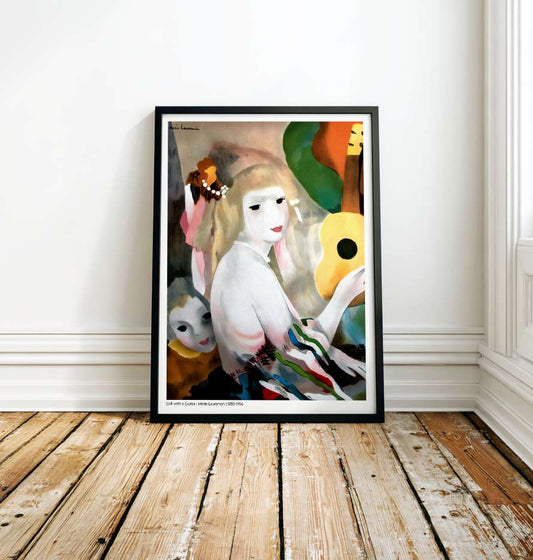
Girl with a Guitar
From 7.95 €
Girl with a Guitar
From 7.95 €
Regular price From 75 SEKRegular priceUnit price per -

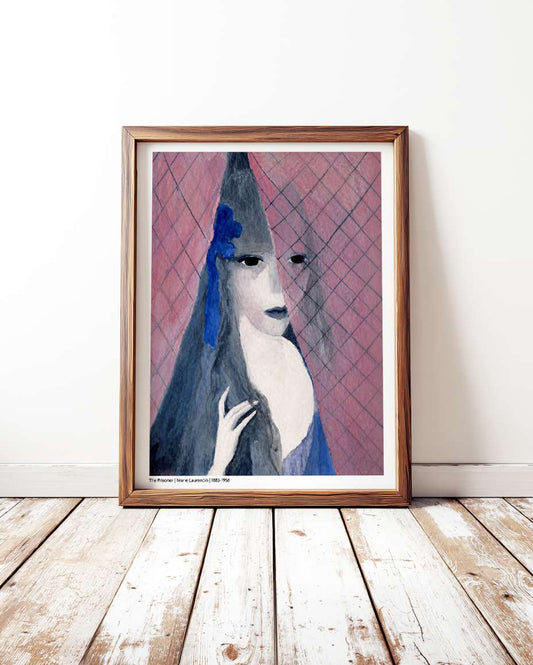
The Prisoner
From 7.95 €
The Prisoner
From 7.95 €
Regular price From 75 SEKRegular priceUnit price per -

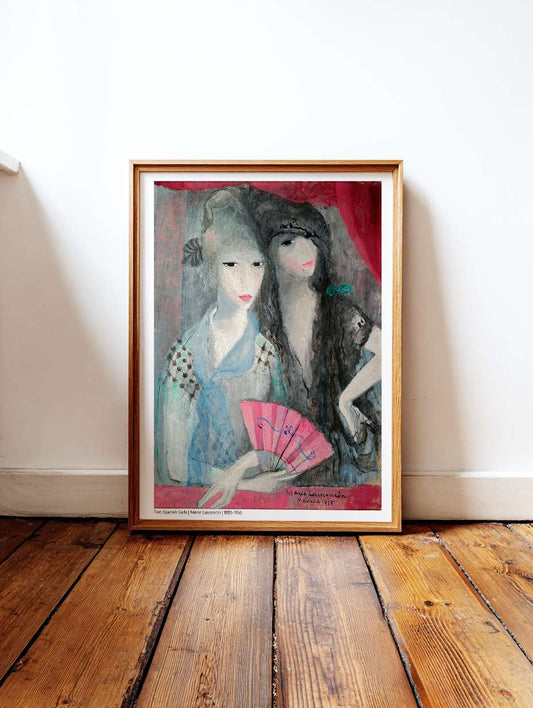
Two Spanish Girls
From 7.95 €
Two Spanish Girls
From 7.95 €
Regular price From 75 SEKRegular priceUnit price per -

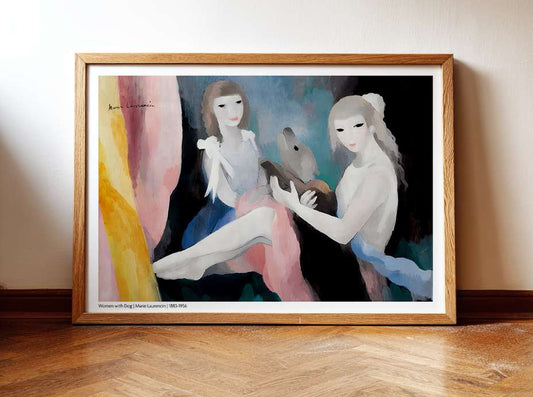
Women with Dogs
From 7.95 €
Women with Dogs
From 7.95 €
Regular price From 75 SEKRegular priceUnit price per -

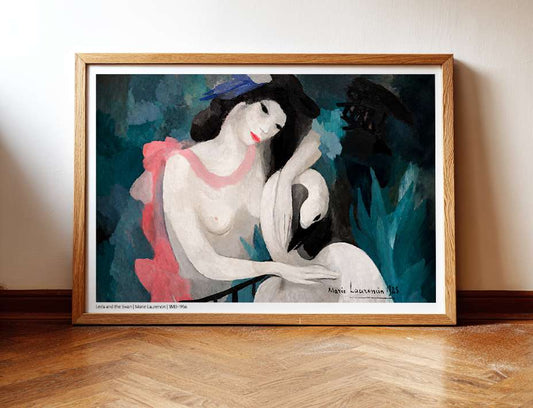
Leda and the Swan
From 7.95 €
Leda and the Swan
From 7.95 €
Regular price From 75 SEKRegular priceUnit price per -

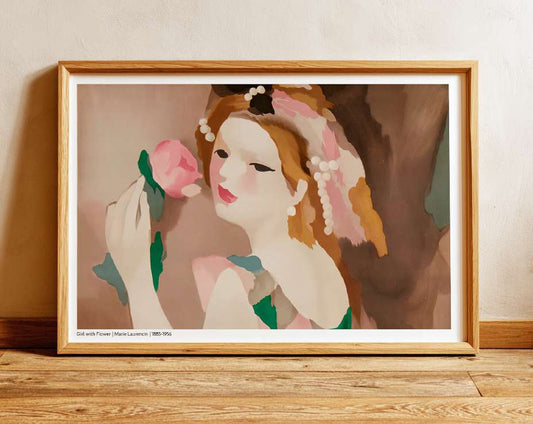
Flicka med blomma
From 7.95 €
Flicka med blomma
From 7.95 €
Regular price From 75 SEKRegular priceUnit price per