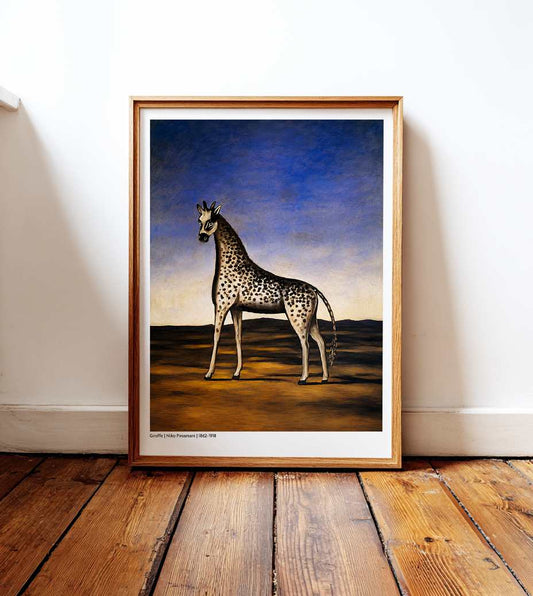
Niko Pirosmani
-

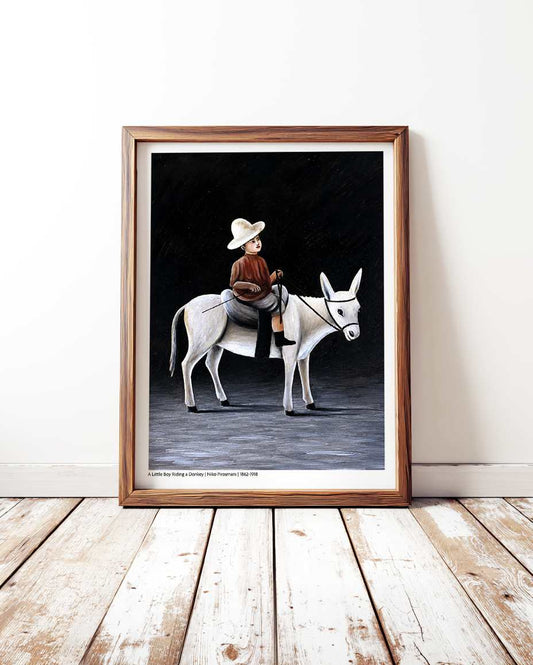
A Little Boy Riding a Donkey
From 7.95 €
A Little Boy Riding a Donkey
From 7.95 €
Regular price From 75 SEKRegular priceUnit price per -

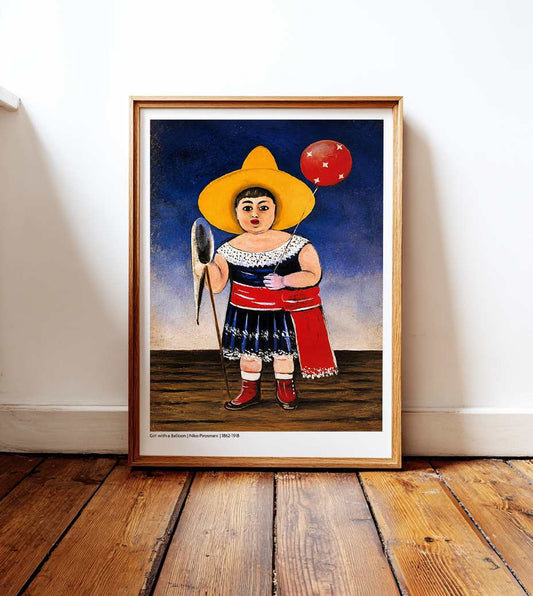
Girl with a Balloon
From 7.95 €
Girl with a Balloon
From 7.95 €
Regular price From 75 SEKRegular priceUnit price per -

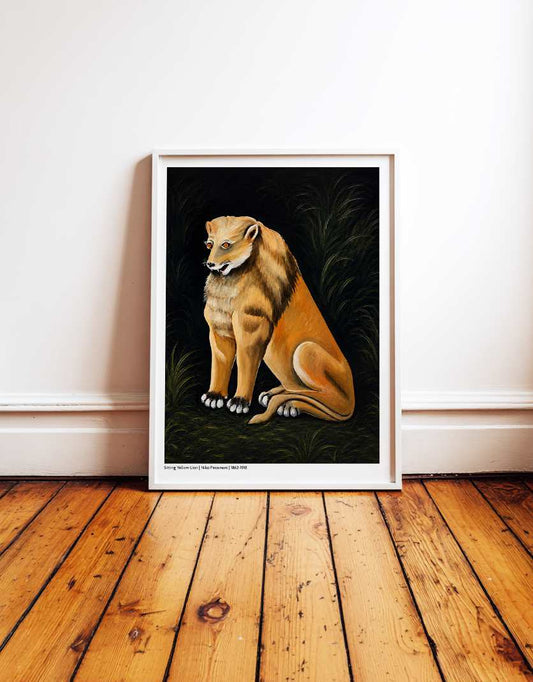
Sitting Yellow Lion
From 7.95 €
Sitting Yellow Lion
From 7.95 €
Regular price From 75 SEKRegular priceUnit price per -

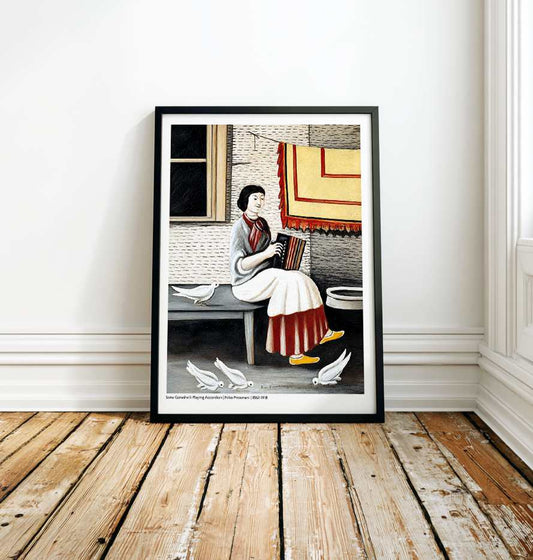
Sona Gorashvili Playing Accordion
From 7.95 €
Sona Gorashvili Playing Accordion
From 7.95 €
Regular price From 75 SEKRegular priceUnit price per -

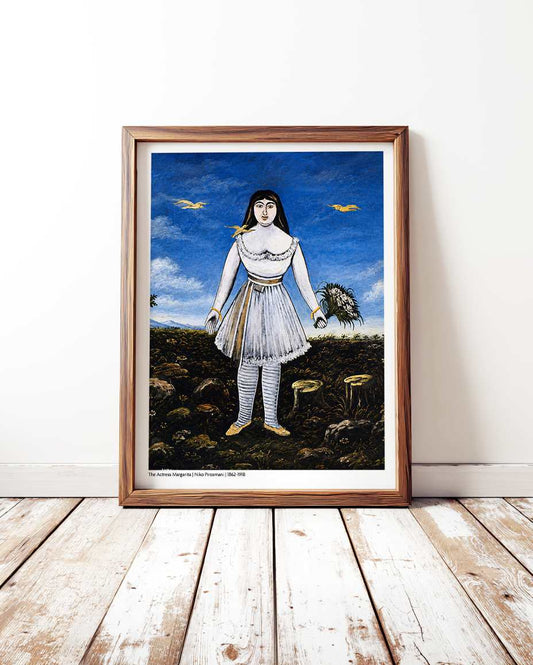
The Actress Margarita
From 7.95 €
The Actress Margarita
From 7.95 €
Regular price From 75 SEKRegular priceUnit price per